
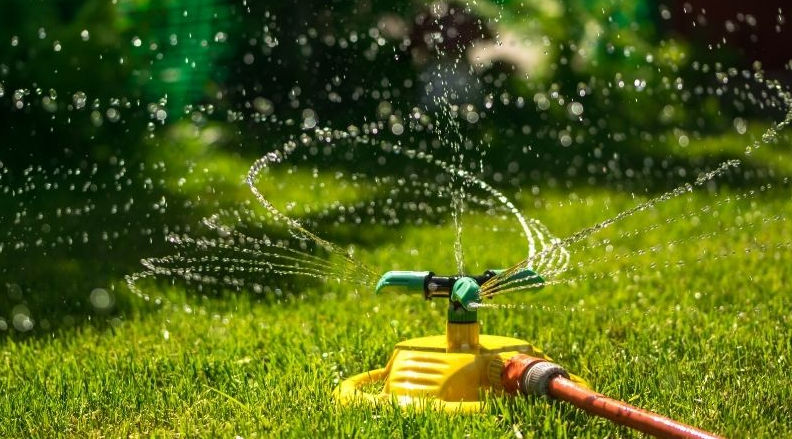
How Often to Water Your Lawn in Red Deer for Healthy Growth and Water Savings
I have seen many yards across central Alberta swing between dry patches and soggy spots, sometimes within the same block. The truth is, turf here reacts quickly to heat, wind, and those sudden cool snaps that show up in late spring. If you have ever stepped outside and wondered why your grass feels crisp one week and soft the next, you are not alone. A bit of attention to timing and volume can make a noticeable difference, and it does not need to feel complicated. At :contentReference[oaicite:0]{index=0}, crews spend most days cutting grass for local homeowners, so they see patterns up close. I remember chatting with a neighbour last July who thought daily sprinkler runs were helping, yet the roots stayed shallow and the colour faded by mid-month. Small adjustments, like spacing out soakings and letting the soil breathe, can help roots push deeper. It sounds simple, maybe even obvious, but many people miss it during busy weeks. Your yard has its own personality. Soil type, sun exposure, and foot traffic all play a part. Sandy ground dries fast; heavier clay holds moisture longer. If you notice footprints lingering or a dull blue tint across the grass, that can hint at thirst. On the flip side, a spongy feel underfoot can signal too much moisture sitting near the surface. Paying attention to these little cues saves time later, and it keeps growth steady through the short growing season. There is no single schedule that fits every property, and that is probably a good thing. You can start with a simple plan, then tweak it as temperatures rise or rainfall picks up. Keep notes if you like, or just watch the colour and texture after each soak. Over time, you will get a feel for what works on your patch of ground, and the results tend to show up in thicker growth and fewer bare spots.
Yard irrigation timing for central Alberta homes
I get asked this a lot, and the short answer is that most yards here do better with one to two deep soak sessions per week during warm spells. Light daily sprinkles lead to shallow roots, and that shows up fast in dry winds. Aim for early morning, around 6 to 9, so moisture sinks in before heat builds. If rain shows up, skip a cycle and see how the turf responds. You are looking for steady growth and a firm feel underfoot, not soggy soil.
Adjust by soil and sun
Clay holds moisture longer, so you can stretch the gap between sessions. Sandy ground drains fast, so you may need a shorter gap. Full sun areas dry out quicker than shaded corners, so treat zones differently. A simple test helps. Step on the grass and watch the blades. If footprints linger or colour shifts to a dull blue green, it is time for a deep soak. As a rough guide for summer heat:
- 25 to 35 mm per week for established turf
- Split into one or two sessions, not more
- Run each zone long enough to reach 10 to 15 cm depth
- Pause after rainfall above 10 mm
If you want a hand dialing this in, :contentReference[oaicite:0]{index=0} can check your yard and set a simple schedule that fits your soil and exposure. I have seen clients cut back by one session per week after a tune up, and the grass still looked thicker by late July. Keep an eye on conditions and tweak as needed, small changes go a long way.
Weekly watering frequency based on seasonal rainfall patterns in :contentReference[oaicite:0]{index=0}
Rain totals across this part of the province shift a lot through the year, and your turf responds quickly. In spring, cool air and steady showers usually keep the soil damp for days. You may notice growth picking up with very little sprinkler time. I usually tell clients to watch the ground, not the calendar. Late May into June can feel unpredictable. A wet stretch might carry your yard through a full week with no extra moisture, then a dry spell hits and patches start to dull. Keep an eye on colour and footprint marks, they tell you more than any rule. Summer brings the biggest swings. Hot weeks dry the top layer fast, especially on sunny exposures. Many properties need two or three deep soak sessions per week during heat waves, though shaded areas may need less. It rarely lines up perfectly across the whole yard. By mid August, rainfall usually drops off a bit. You might notice slower growth, which can trick people into thinking less moisture is fine. I think this is when steady, deeper sessions help roots stay active going into fall. Autumn tends to bring cooler nights and occasional storms. One thorough session per week is often enough, sometimes none if steady rain sets in. Watch for soggy spots, especially on clay soils, they hold moisture longer than you expect. Winter prep matters too. A final deep soak before the ground freezes helps reduce dry patches in spring. It feels counterintuitive, but skipping this step can leave areas thin the next year. Teams at :contentReference[oaicite:1]{index=1} see these patterns across many properties each season, and no two yards behave exactly the same. Soil type, slope, and shade all play a role, sometimes more than rainfall totals alone. Use the ranges below as a rough guide, then adjust based on what you see week to week. Your yard will tell you pretty quickly if it needs a bit more or less.
| Season | Average weekly rainfall | Typical sessions per week | Notes |
|---|---|---|---|
| Spring | 15 to 30 mm | 0 to 1 | Cool temps slow evaporation |
| Early summer | 20 to 40 mm | 1 to 2 | Storm patterns vary |
| Peak summer | 10 to 25 mm | 2 to 3 | Heat increases demand |
| Late summer | 10 to 20 mm | 1 to 2 | Growth begins to slow |
| Fall | 15 to 35 mm | 0 to 1 | Cooler air reduces loss |
Adjusting irrigation schedule for clay vs sandy soil commonly found in local yards
Soil type changes everything about moisture timing. Many properties across the region sit on heavy clay, while others have loose, sandy ground, sometimes within the same block. You may think your turf needs more sprinkler time, but the soil below usually tells a different story. Clay holds moisture for long periods. After a deep soak, the ground can stay damp for several days, sometimes longer during cooler weeks. I have stepped on yards that still felt soft five days later, which surprised the homeowner. Too many sessions here can lead to shallow roots and thin patches.
Working with dense clay ground
Shorter, spaced sessions tend to work better than long runs. This helps moisture soak in rather than pool on the surface. If you see puddles forming after ten minutes, pause and let it settle before another cycle. It feels slower, but it keeps the root zone healthier. Sandy areas behave almost the opposite. Moisture drains quickly, and the surface dries fast during warm afternoons. You may notice colour fading sooner, especially in full sun spots near driveways or walkways. These sections usually need deeper sessions, sometimes more than once in the same week.
See also: What Are Layer 2 Solutions in Ethereum?
Managing loose sandy ground
Longer soak periods help moisture reach deeper roots. Early morning works well since evaporation stays lower. I think many people underestimate how fast sand loses moisture, then wonder why growth slows by mid summer. Some yards have mixed soil from past construction. One corner stays damp, another dries out fast. It can feel frustrating, but adjusting zones separately usually fixes it. Split timing by area if your system allows it, or move sprinklers manually. Crews at :contentReference[oaicite:0]{index=0} often point out that mowing patterns reveal soil differences. Sections that grow faster or stay greener usually sit on heavier ground, while slower spots often sit on sandier fill. Use this quick reference as a guide, then tweak based on what you see each week. Your turf will respond within days, so small changes make a noticeable difference.
| Soil type | Session length | Typical weekly sessions | Key sign to watch |
|---|---|---|---|
| Clay | 10 to 20 minutes per cycle | 1 to 2 | Soft surface, slow drying |
| Sandy | 25 to 40 minutes | 2 to 3 | Fast colour fade |
| Mixed | Varies by zone | 1 to 3 | Uneven growth |
PROPERTY WERKS Contact Information:
Address
1017 1 Ave NE, Calgary, AB T2E 0C9
Phone
403 239-1269
Website
http://propertywerks.ca/red-deer
Hours of operation
Monday 9 a.m.–5 p.m. Tuesday 9 a.m.–5 p.m. Wednesday 9 a.m.–5 p.m. Thursday 9 a.m.–5 p.m. Friday 9 a.m.–5 p.m. Saturday 9 a.m.–5 p.m. Sunday Closed Online service – Open 24 Hours / 7 days
Map
Q&A:
My grass still looks green after rain. Do I need to run sprinklers that week?
If steady rain delivers around 20 to 30 mm across several days, most yards can skip extra moisture for that week. Check the soil with a screwdriver or small trowel. If you can push it in 10 to 15 cm without much effort, the root zone still has enough moisture. If the top dries but the ground below stays damp, hold off. Running sprinklers too soon can lead to shallow roots and soft turf.
What signs show that my yard needs more moisture during a hot stretch?
Look for dull colour, a slight blue grey tone, and footprints that stay visible after you walk across the grass. Blades may start to fold along the centre. These signs usually appear before real stress sets in. A deep soak early in the morning usually helps the turf recover within a day or two if the heat continues.
Is it better to run shorter sessions every day or longer sessions a few times a week?
Longer, deeper sessions spaced through the week tend to produce stronger roots. Daily light sprinkling keeps moisture near the surface, which can weaken the turf over time. Aim to moisten the soil down to about 15 cm. That depth supports deeper growth and better drought tolerance. Short daily runs may help newly seeded areas, though, so there are exceptions.
Do shady areas need the same amount of moisture as sunny parts of my yard?
Shaded sections usually stay damp longer because evaporation is slower. You may notice these spots stay greener with fewer sessions. Sunny slopes or areas near pavement dry much faster and may need extra attention. Many homeowners adjust sprinkler zones separately once they notice the difference in growth speed.
Can mowing height affect how much moisture my turf needs?
Yes, cutting height plays a big role. Taller grass shades the soil and slows moisture loss, which can reduce the number of sprinkler sessions needed. Keeping blades around 7 to 8 cm during summer helps the ground stay cooler and reduces stress. Very short cuts expose the soil, so it dries faster and may require more frequent soaking.
Does using a rain gauge really help me decide how much irrigation my yard needs during summer?
Yes, a simple rain gauge can make decisions much clearer. Many yards need about 25 to 30 mm of total moisture per week during warm periods, including rainfall. By checking the gauge after a storm, you can see how much nature already provided and adjust sprinkler time instead of guessing. Place the gauge in an open area away from roofs or trees for a more accurate reading. If you track totals for a few weeks, patterns become easier to spot, and you may find you run your system less than you thought.